Project
Active
Vision
Scanner
n-others commissioned alongside Spanner to deliver the medical device design and industrial engineering for Scalpel AI, a HealthTech startup reshaping surgical logistics through artificial intelligence.
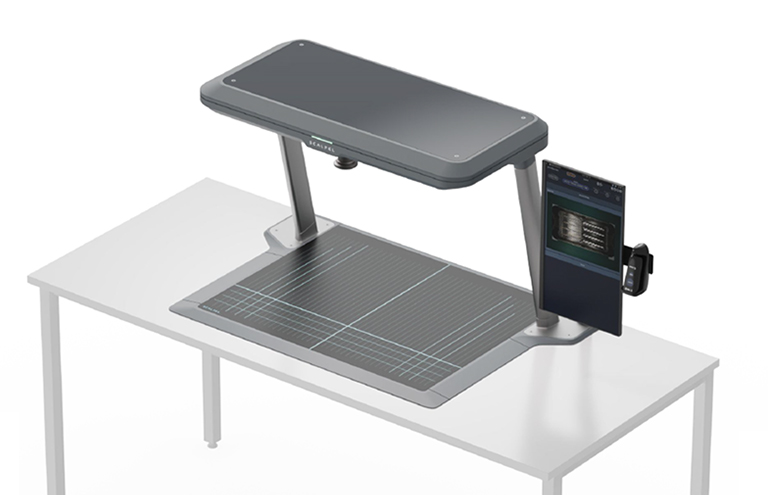
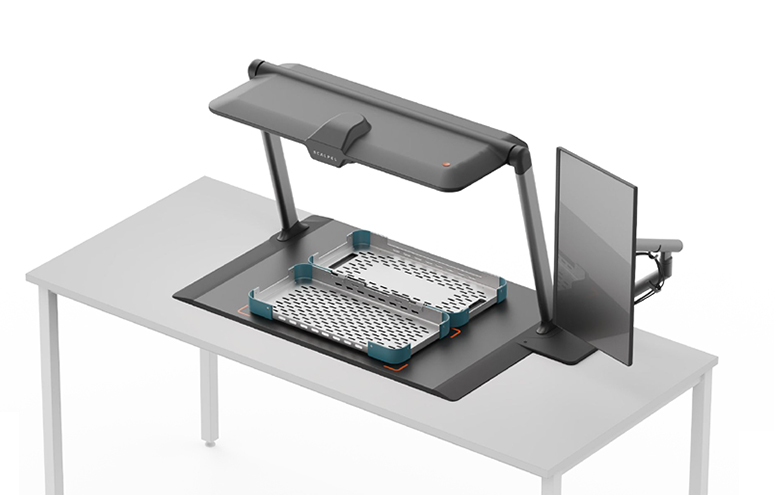
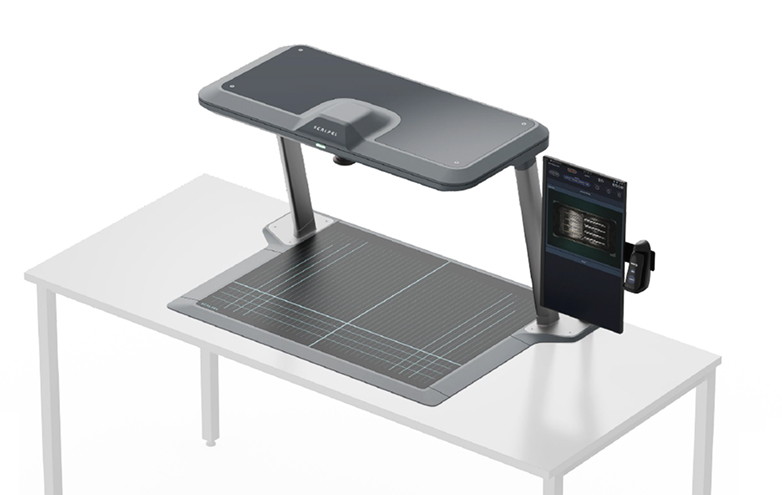
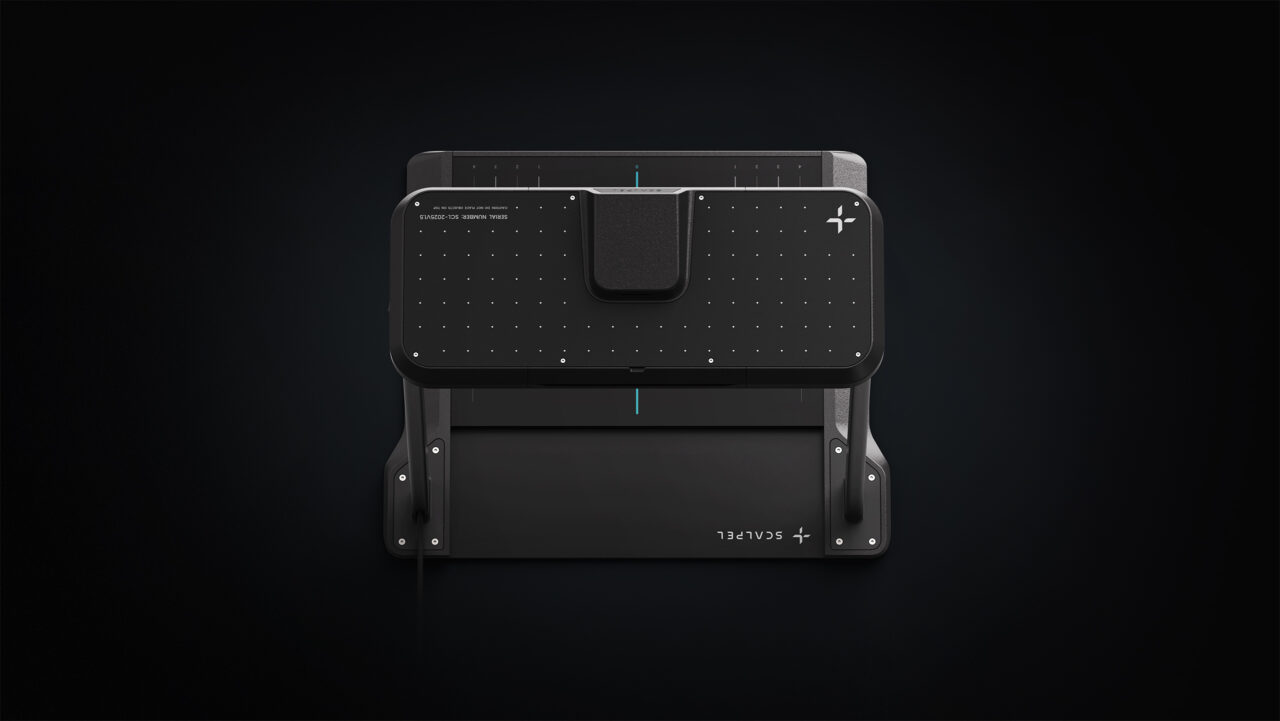
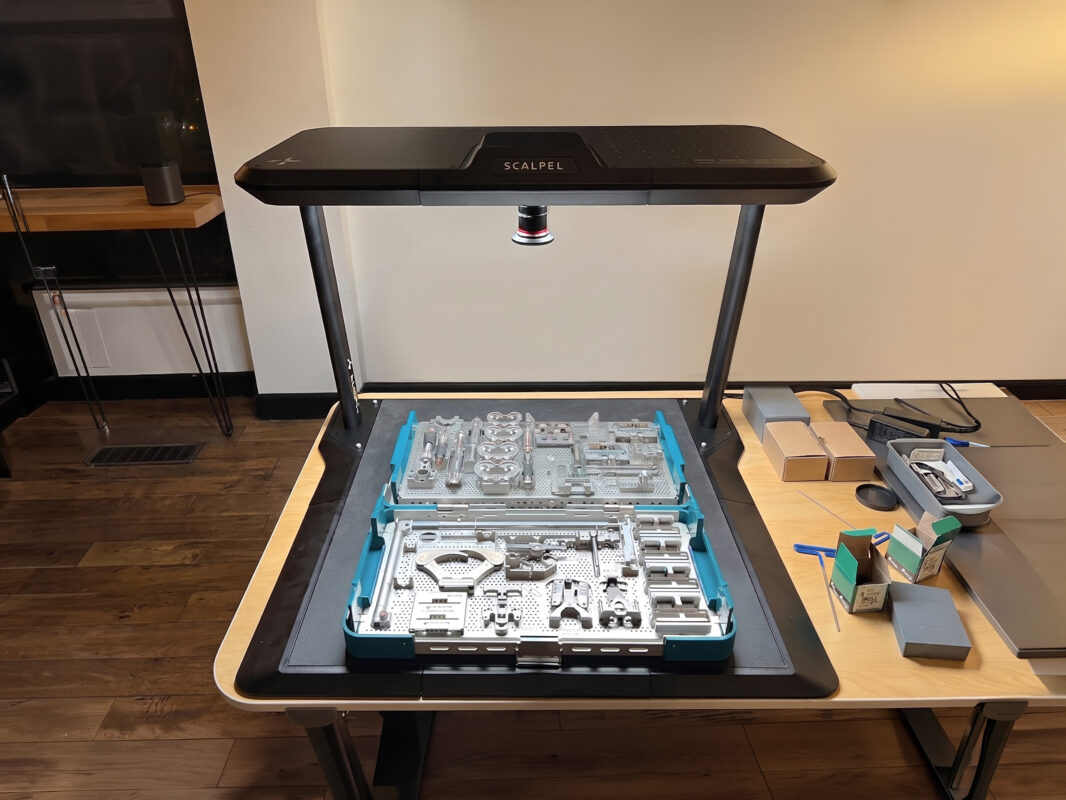
Transforming a raw engineering prototype into a polished, brand-aligned device, our team engineered an ergonomic, hospital-grade housing for Scalpel’s computer vision technology.
Built for field-testing with logistics partner GMLx and featured at major medical tradeshows, the hardware combines robust DFM engineering with a compact form factor tailored for sterile clinical environments.
- Year2025
- ClientScalpel
- PlaceSan Francisco
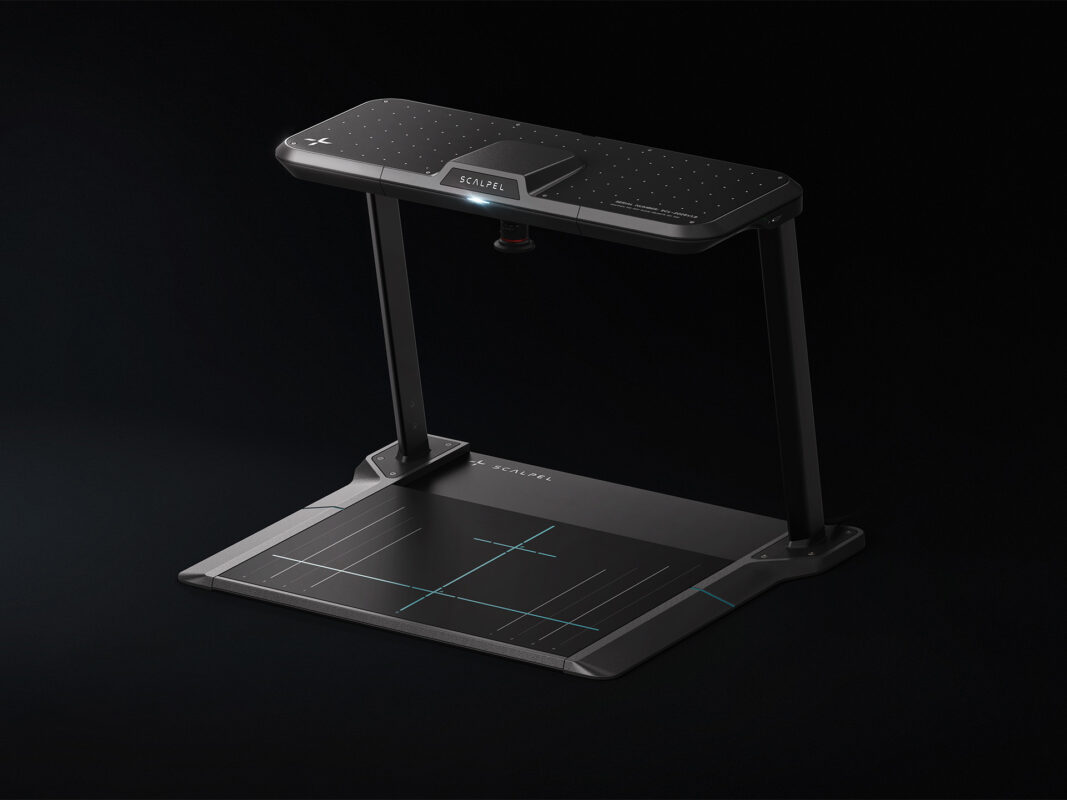
THE MISSION
Transform Scalpel's raw but proven engineering prototype into a fully integrated, field-ready product in 12 weeks — ready for public launch at the 2025 American Academy of Orthopedic Surgeons annual meeting. The goal: retain every validated technical component while dramatically improving usability, manufacturability, and visual presentation, without disrupting ongoing algorithm development.
PROBLEMS TO SOLVE
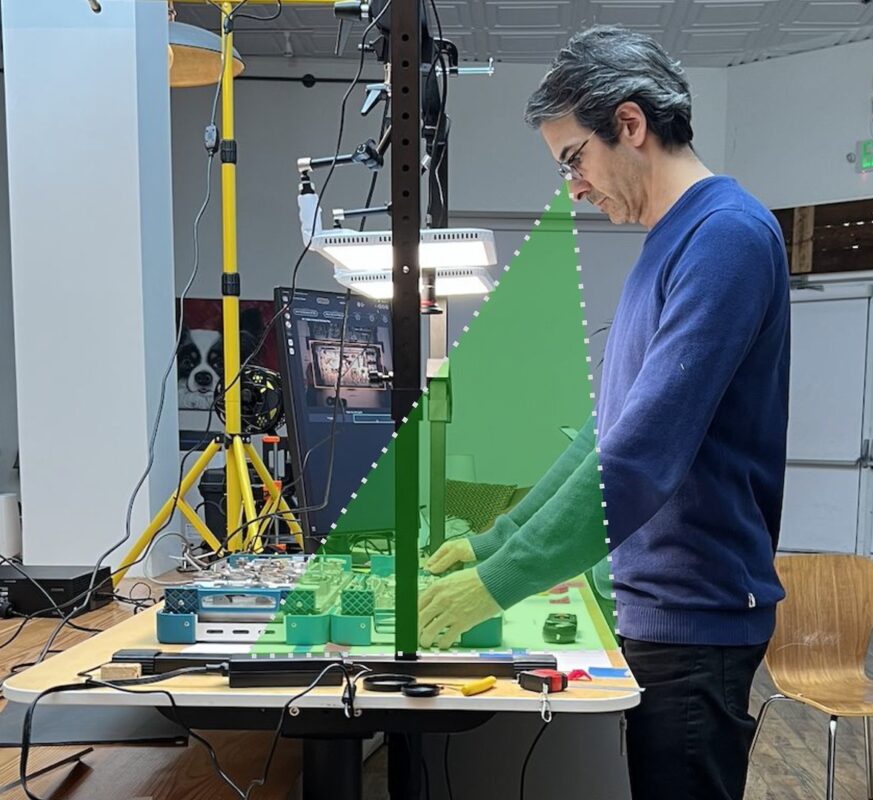
-The prototype delivered technically, but visually and physically it read as a lab tool — exposed components and structural instability made it unfit for customer-facing deployment.
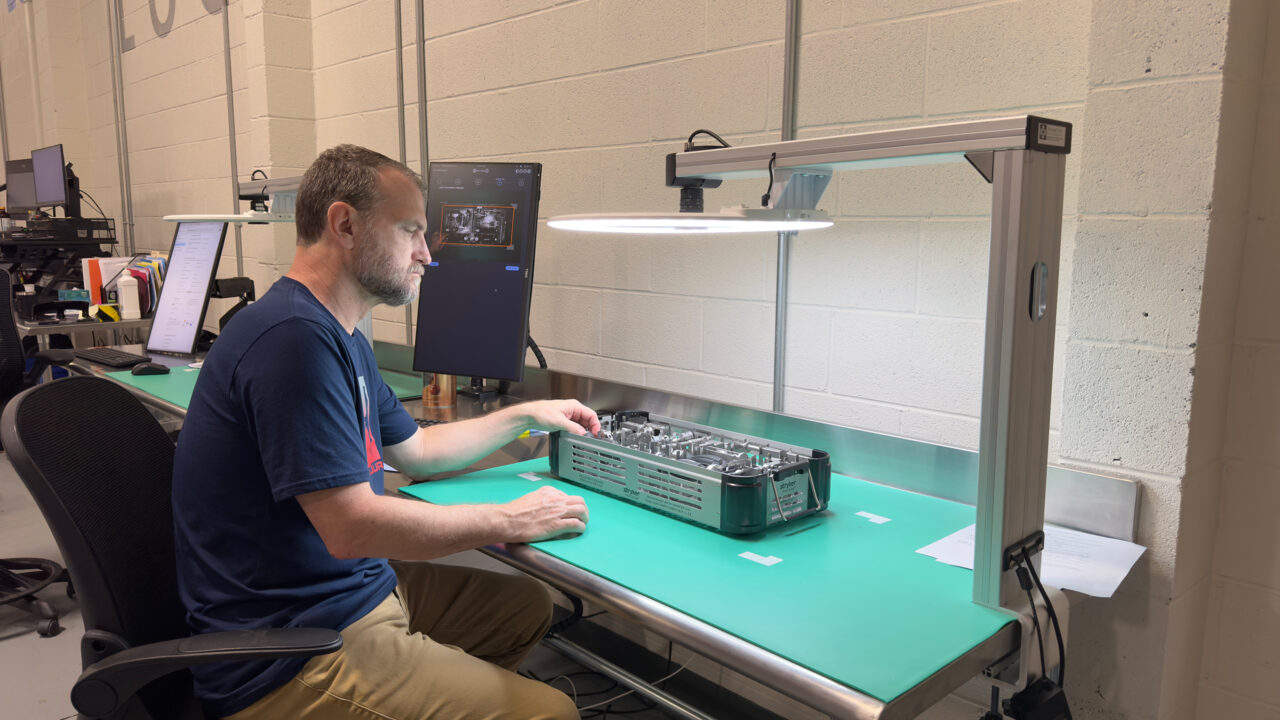
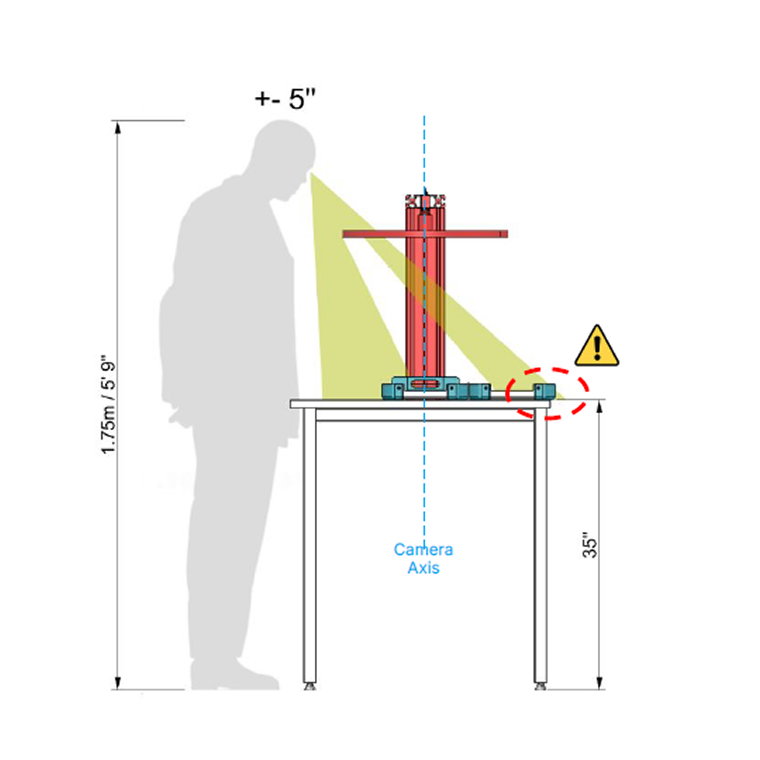
-Ergonomics was an afterthought. Staff were lifting heavy trays repeatedly; posture, reach, and positioning directly affected comfort and speed.
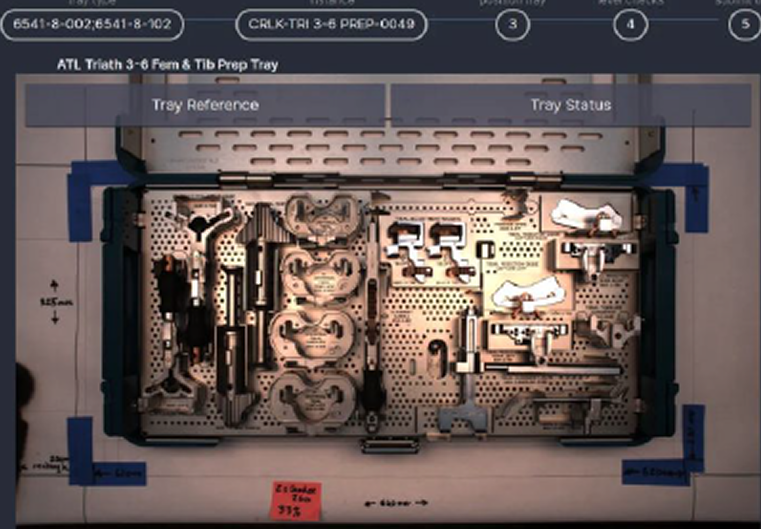
-Reflective instruments broke the AI’s readout. Controlled, diffuse lighting wasn’t a nice-to-have — it was a functional requirement.
-No two logistics centers were alike. Every deployment site had different lighting and layout, so the product had to flex, not assume one environment.
Building the right bones
With technical and environmental constraints clearly defined, we initiated two rapid development tracks in parallel:
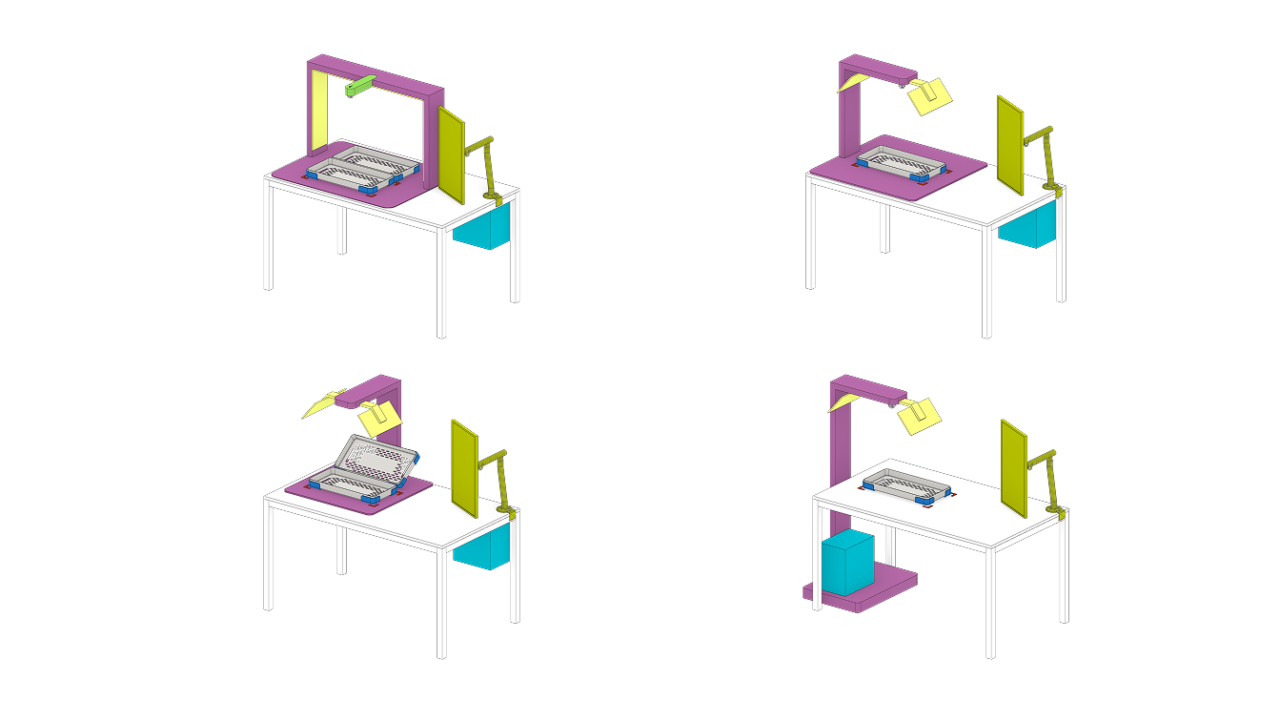
- Architecture Exploration: Rapid concept iteration on lighting rigs, structural layouts, and volumetric proportions to define spatial and functional logic.
- Empirical Testing: Physical lighting trials with real conditions and mockups to validate concepts, quickly eliminate dead ends and lock down architecture definitions.
Together with Spanner, we moved from abstract requirements to concrete design fast. Early sketching and CAD modeling transitioned into volumetric mockups—tested not just in the studio, but on-site with GMLx operators. Their feedback fed directly into iterative refinements, which allowed us to collapse weeks of theoretical iteration into days of validated change.
This real-world design loop was essential. It helped us build confidence in the architecture early—surfacing friction points, catching conflicts and aligning form with function well before detail engineering began.
Phenomenal project and a great team work by Damien Golbin, Giles Lowe, Arne Lang-Ree, Ale Sarra, Nitin Gurram and many others made it possible! Can’t be more excited to start working on the next iteration of this unit.Yeshwanth Pulijala,PhDFounder & CEO of Scalpel AI.
From geometry to Identity
With a confident core architecture, we shifted focus to defining the product’s visual and tactile identity. This is where technical engineering know-how merged with visual sensitivity. Both design and engineering teams worked closely to marry aesthetics with manufacturability in a brand-aligned product experience.
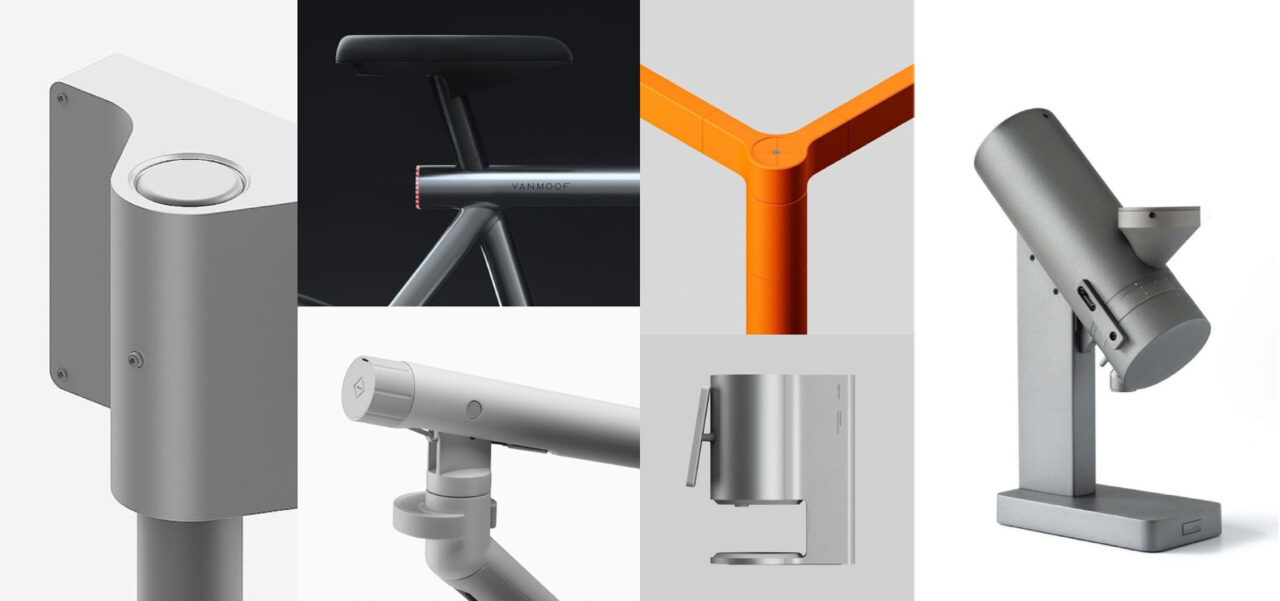
We shaped a medical-grade design language that balanced clarity, confidence, and usability. Every surface, cue, and interaction was intentional:
- Geometry was optimized for production
- Visual cues that intuitively guided user interaction
- Aesthetics aligned with the med-tech context
Manufacturing, CMF & DFM Alignment
With n-others supporting design-for-manufacturing, Spanner led fabrication of the v1.2 prototype across two parallel supply paths — redundancy and precision built in to hit a fixed, non-negotiable timeline.
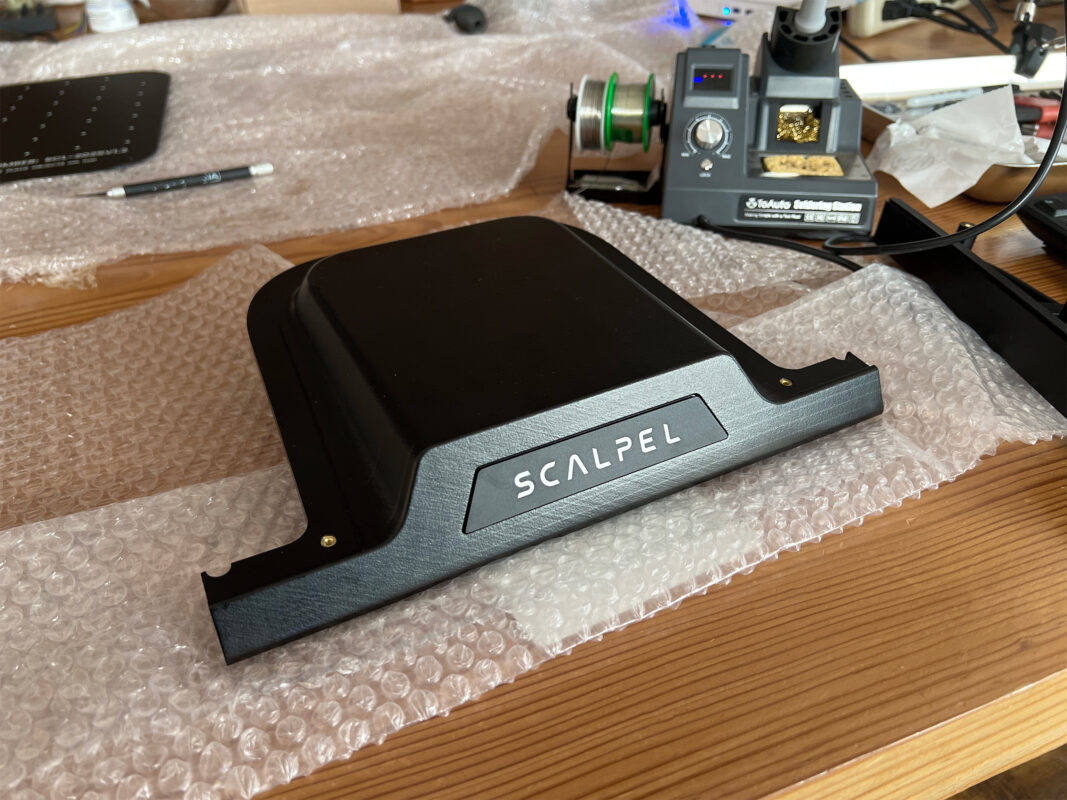
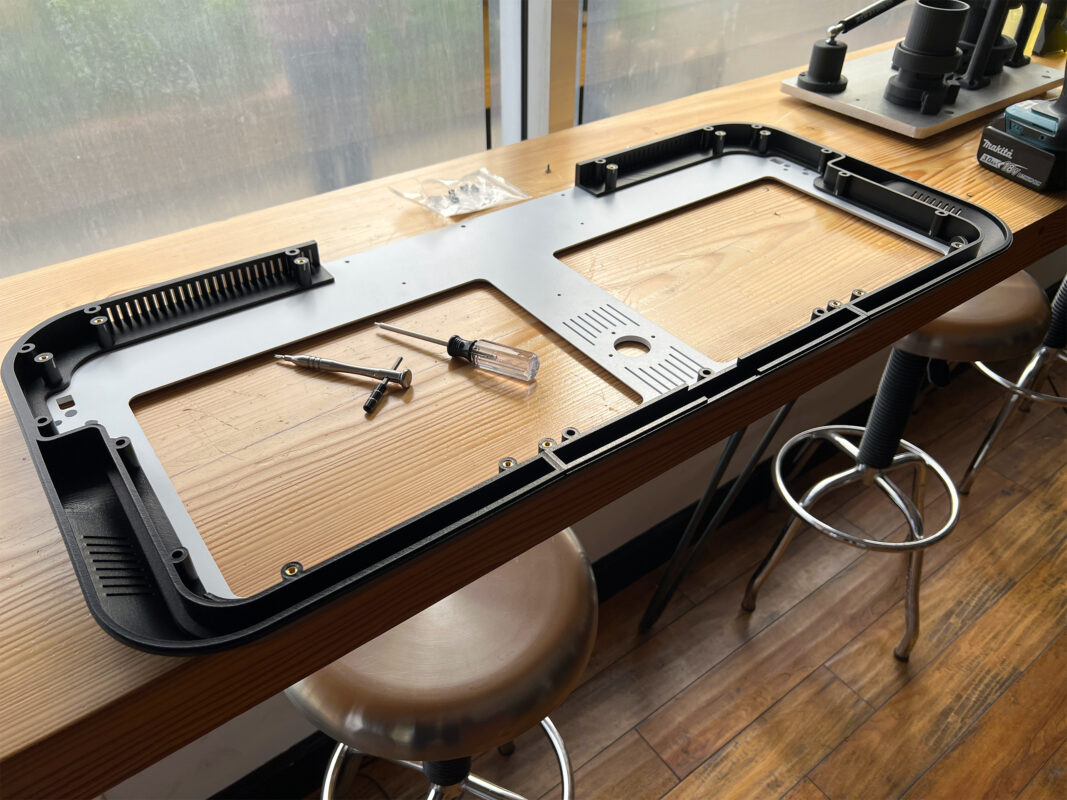
-MJF 3D printing for large, complex body panels — fast turnaround without sacrificing visual quality.
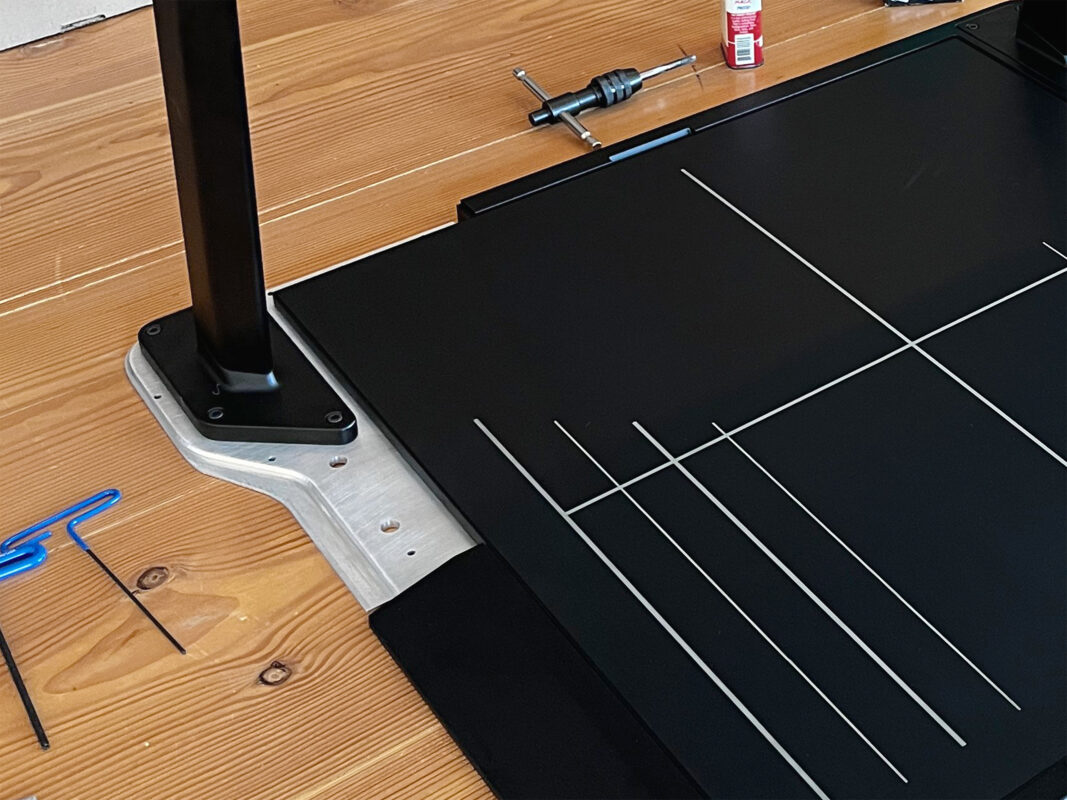
-CNC-machined aluminum for structural strength and engineered precision.
-Off-the-shelf hardware to cut sourcing friction and accelerate assembly.
Every decision balanced timeline, durability and visual polish. And it worked. On launch day, the device powered up flawlessly—and impressed.
It was a great pleasure collaborating with the Scalpel AI team. Looking forward to developing breakthrough innovations for the surgical supply chain together.Damien Golbin - Program LeadSpanner
PROGRAM OUTCOMES
–Delivered a field-ready product in 12 weeks, without disrupting live algorithm development.
–Transformed a raw, lab-grade prototype into a polished, brand-aligned medical device.
–Validated with GMLx in a two-week field deployment post-launch — then proven at scale: over three months and 10,000+ trays, delivering a 95% reduction in errors, 40% faster validation, and 30% more throughput.
–Shipped a full communications toolkit: hero renders, workflow animations, and a refreshed brand identity built to scale.
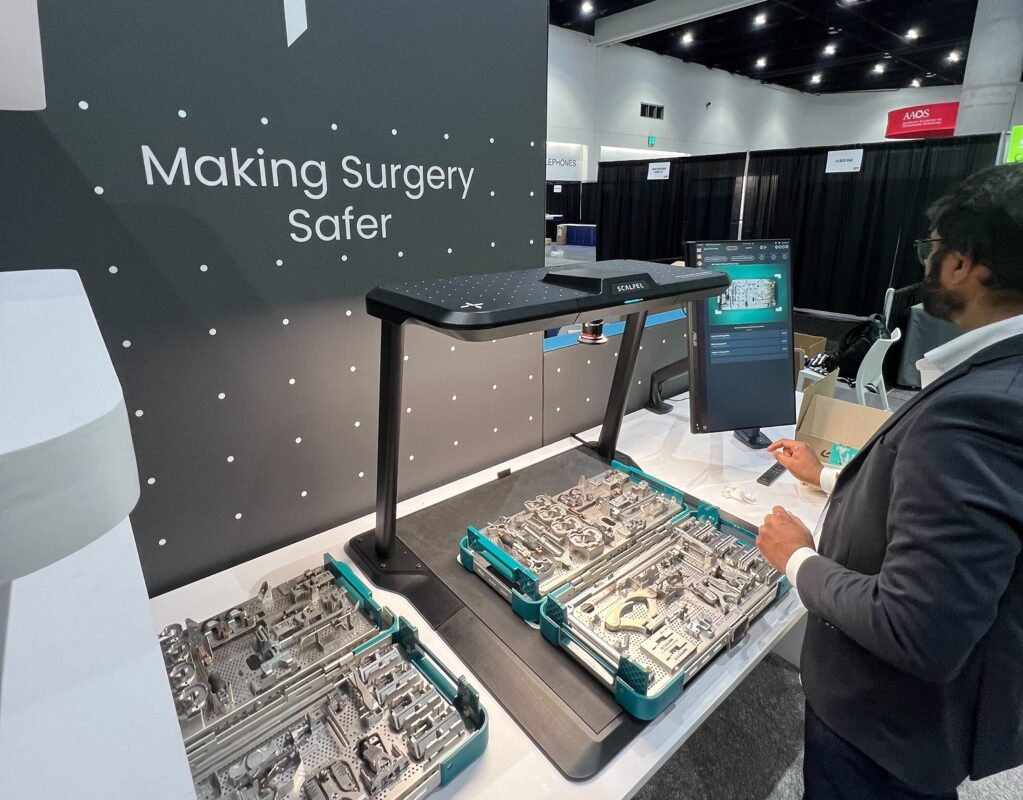
–Launched at the 2025 American Academy of Orthopedic Surgeons meeting, driving investor interest and prospective-client traction.
–Scaling, v1.5 in production with adaptive lighting and weight-sensing underway, v2.0 already on the roadmap.
Project team
SCALPEL AI
- Yeshwanth Pulijala PhD _ Founder & CEO
- Nitin Gurram _ Industrial Designer
- Shahnawaz Ahmed _ Machine Learning
SPANNER:
- Damien Golbin _ Program Lead
- Alyssa Kinoshita _ Senior Product Designer
- Niall Macken _ Director of Mechanical Engineer
N-OTHERS:
- Alejandro Sarra _ Founder & Creative Director
- Nicolás Tagliabue _ Senior Product Designer
- Ignacio Loncon _ Senior Product Designer